
How effective workforce
operations management increases productivity in workplace
Workforce operations management plays a major
role in driving business success if effectively managed. In today’s
increasingly competitive workplace environment, workforce operations management
is an integral element that should not be overlooked. Many fast paced
organizations often struggle to manage employee schedules, coordinate
communication across teams and monitor employee performance. This oversight is
the leading cause of business failure as the workforce is a critical component
of an organization. Which is why it is essential that organizations track this
issue closely and ensure that workflows are streamlined and resources are
properly allocated. In this read, we would be showcasing ways in which
effective workforce management can increase productivity.
What Is Workforce Operations
Management?
Workforce
operations management simply is the manager's ability to plan, organize,
monitor and optimize an organization’s workforce to ensure that employees are
properly deployed and operational goals are achieved.
5 Ways Effective Workforce
Operations Management Increases Productivity
Growing an effective workforce does not just
happen by chance. It involves the right system, management structures and
practices that ensure that employees align with organizational goals. True
organizational success is measured by the ability to manage resources and
workforce effectively. This is easily measured by the turnover rate of
productivity and efficiency. Here are 5 ways that prove this;
● Optimizes Workforce Scheduling
For
many managers, employee scheduling is at the top of their priority lists for
employees, especially for organizations who operate a shift system. While
management strives to ensure that all positions are filled at appropriate
times, the manual scheduling process can be a lot more difficult and time
intensive for managers. However, in cases where the workforce is effectively
managed, understaffing or overstaffing are no longer a cause of concern as the
system ensures that employee’s schedules are consistent and easily monitored by
managers and the downtime is minimal.
● Improves Resource Allocation
Managing resources are at the Helm of affairs
for most managers. Which is why building a strong workforce requires intensive
workforce planning and allocation. This involves matching skills and expertise
to the appropriate employees and allocating all the materials needed to improve
performance and reduce errors.
● Enhances Employee Engagement
and Performance
Performance management and employee engagement
are the fundamental principles of an effective workforce. Employees thrive in a
system that promotes open communication lines across teams, where clear
expectations are set and employees are engaged in respect to their tasks. This
promotes ownership and teamwork. This creates room for performance monitoring
and self development opportunities.
● Reduces Operational Bottlenecks
Effective workforce operations management
identifies all relevant operational concerns and challenges that affect
productivity. These errors are detected early and can be corrected and resolved
and enable employees to work smarter, achieve targets and collaborate better.
● Supports Data-Driven Decision
Making
Automated workforce Systems means proper data
documentation and analytics that provide insights on all aspects of the
organization. Information like attendance, performance metrics, payroll data,
staffing levels and more help managers make more informed decisions.
How CynegieHR Helps Businesses
Improve Workforce Productivity
The intensity of managing an organization's
workforce cannot be underestimated. However, achieving a workforce operation
depends on having the right tools at your disposal. Having an all in one
software system that helps streamline workforce planning, attendance
management, payroll, analytics reporting and real time data tracking improves
the overall productivity and this is where CynegieHr comes in. CynegieHr
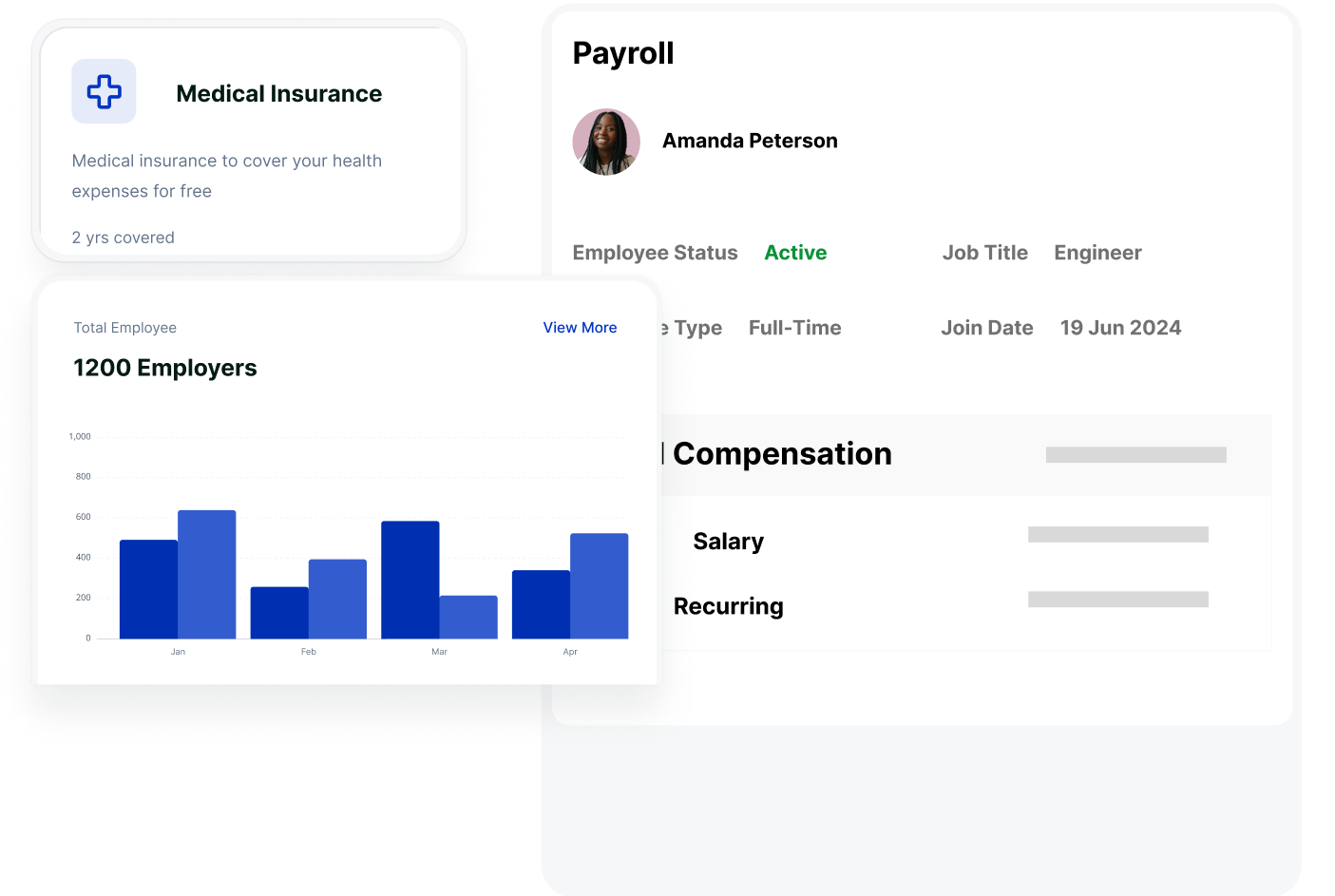
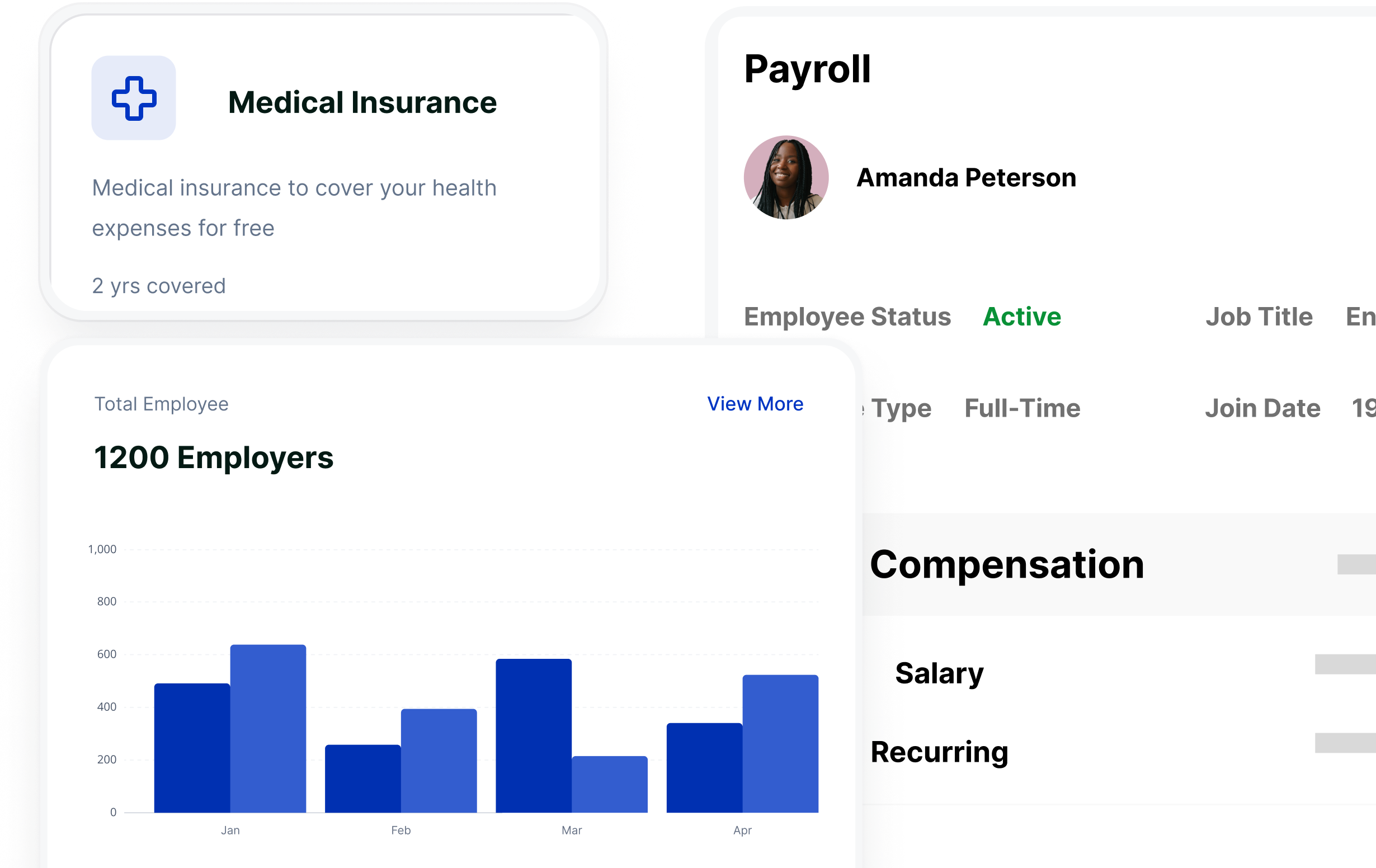
provides managers with the tools and an opportunity to automate their routine all from a single platform.
By eliminating manual inefficiencies and giving managers greater visibility
into their workforce.